
The Great Migration: From Lobby Bars to Forest Canopies
For decades, the gold standard of travel was defined by a specific type of predictability. A traveler could land in Paris, Tokyo, or New York and find comfort in the familiar scent of a corporate hotel lobby, the standardized breakfast buffet, and the hermetically sealed climate of a high-rise room. But in recent years, a quiet revolution has taken place in the global tourism industry. The sterile luxury of the traditional hotel is losing its luster, replaced by a growing appetite for eco-friendly stays that prioritize connection over convenience and sustainability over excess.
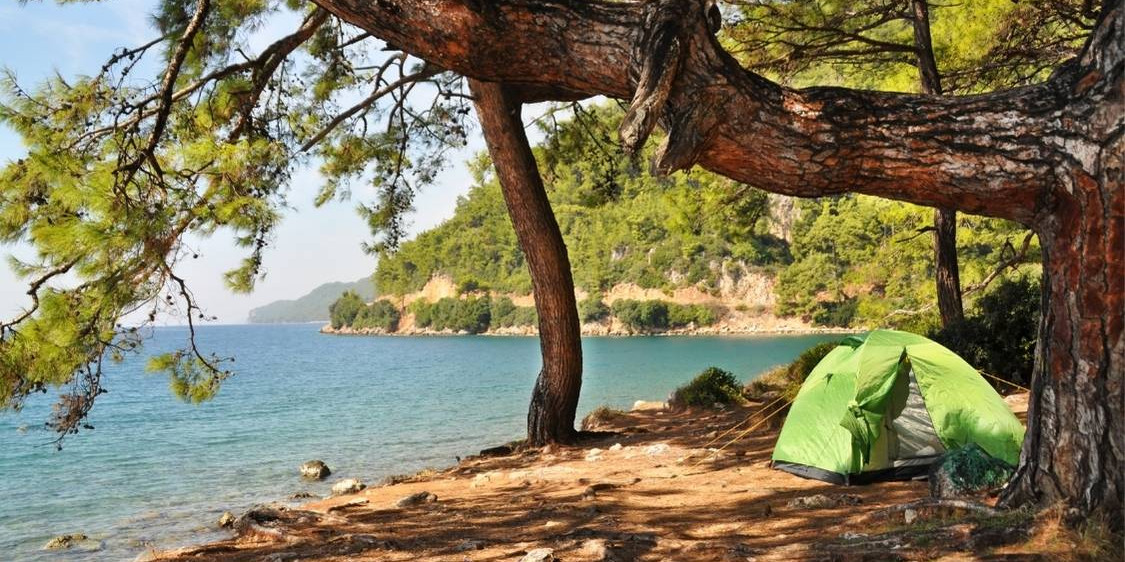
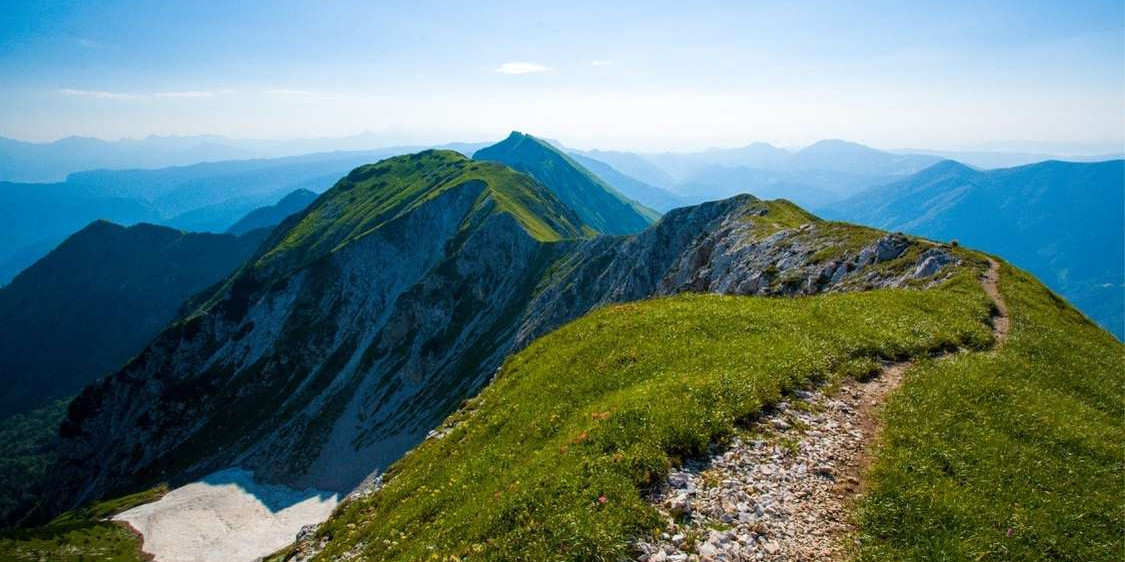
Many modern travelers are now prioritizing rejuvenating outdoor trips that offer a perfect balance of physical activity and deep relaxation in natural settings.
This shift isn’t merely a passing trend or a niche preference for the rugged outdoorsman. It is a fundamental realignment of what travelers value. Today’s explorers are increasingly seeking ‘authentic’ experiences—a term often overused but deeply felt by those looking to escape the digital noise of modern life. They are trading the elevator for the trail, and the minibar for the local market, signaling a new era where the quality of a stay is measured by its environmental footprint and its proximity to the natural world.
The Psychology of the Modern Traveler
The catalyst for this migration is partly psychological. As our lives become increasingly urbanized and digitized, the ‘nature deficit’ has become a tangible reality. Travelers are no longer just looking for a place to sleep; they are looking for a recalibration of their senses. Eco-friendly stays, such as those found at Camping Romarins, offer an antidote to the over-stimulation of city life. The appeal lies in the ability to wake up to a panoramic view of the French landscape rather than a television screen, and to breathe air filtered by pine trees rather than an HVAC system.
Breaking the Mold: The Limitations of Traditional Hospitality
Traditional hotels are often criticized for their ‘island’ effect—they exist within a destination but are rarely part of it. They consume massive amounts of energy, produce significant food waste, and often funnel profits away from the local community. For the conscious traveler, this model has become increasingly difficult to justify. The modern tourist is more educated about their carbon footprint than ever before, leading to a demand for accommodations that reflect their personal values.
Carbon Footprints and Conscious Consumption
Sustainability has moved from a ‘nice-to-have’ feature to a non-negotiable requirement for a large segment of the market. Travelers are analyzing how their stay impacts the environment. They are looking for stays that utilize renewable energy, practice water conservation, and encourage outdoor living. In contrast to the high-energy consumption of a central-heated hotel block, eco-friendly stays often integrate seamlessly with the climate, utilizing natural shade, ventilation, and local materials to provide comfort.
Why Eco-Stays Offer More Than Just a Bed
The allure of the eco-friendly stay—whether it’s a high-end lodge, a boutique cabin, or a scenic outdoor rental—is the depth of the experience. These locations are designed to facilitate an encounter with the surrounding environment. While a traditional hotel room encourages you to stay inside, an eco-stay encourages you to venture out. This ‘outward-facing’ philosophy is what differentiates places like Camping Romarins from the standard hospitality model.
- Immersive Landscapes: Instead of a framed photo of a mountain on the wall, travelers have the mountain outside their window.
- Slow Travel: Eco-stays encourage a slower pace of life, allowing guests to truly absorb the culture and geography of a region.
- Local Integration: These stays often have deeper ties to local farmers, artisans, and guides, providing a more genuine cultural exchange.
- Wellness Through Nature: Studies consistently show that proximity to green spaces reduces cortisol levels and improves mental clarity—a benefit no hotel gym can replicate.
Authenticity and the Search for Meaning
Perhaps the most significant driver is the search for authenticity. In an era of ‘Instagrammable’ moments, travelers are becoming wary of manufactured experiences. They want the real thing. They want to hear the wind in the trees, see the stars without light pollution, and feel the dirt under their boots. Traditional hotels, by their very nature, are designed to insulate guests from these elements. Eco-friendly stays, however, embrace them. This raw, unvarnished connection to the earth provides a sense of meaning that a luxury suite simply cannot buy.
The Elements of the Eco-Friendly Shift
Why exactly are travelers making this choice? The data suggests several key factors contributing to the decline of the traditional hotel’s dominance:
- The Rise of Remote Work: As ‘workcations’ become common, people want to spend their off-hours in restorative environments rather than cramped hotel rooms.
- Environmental Ethics: A growing sense of responsibility toward the planet is influencing booking decisions across all age groups, particularly Millennials and Gen Z.
- The Desire for Privacy: Nature-based stays often offer more space and privacy than crowded hotel corridors, a preference that has surged in the post-pandemic landscape.
- Value for Experience: Travelers are shifting their budgets away from ‘stuff’ (expensive room service, valet parking) and toward ‘experiences’ (hiking, stargazing, local exploration).
Conclusion: A Permanent Shift in the Global Compass
The migration from traditional hotels to eco-friendly stays is not a temporary flight of fancy; it is a reflection of a changing global consciousness. As we become more aware of our impact on the planet and the importance of our own mental well-being, the way we travel will continue to evolve. The future of travel is green, open-aired, and deeply connected to the rhythm of the natural world.
For those looking to reconnect with nature and embrace a more mindful way of living, the choice is clear. Sites like Camping Romarins represent the vanguard of this movement, offering a gateway to the French countryside that respects the land while providing the adventure and relaxation that modern travelers crave. The hotel lobby may have its place in history, but the future belongs to the forest, the mountains, and the open sky.