
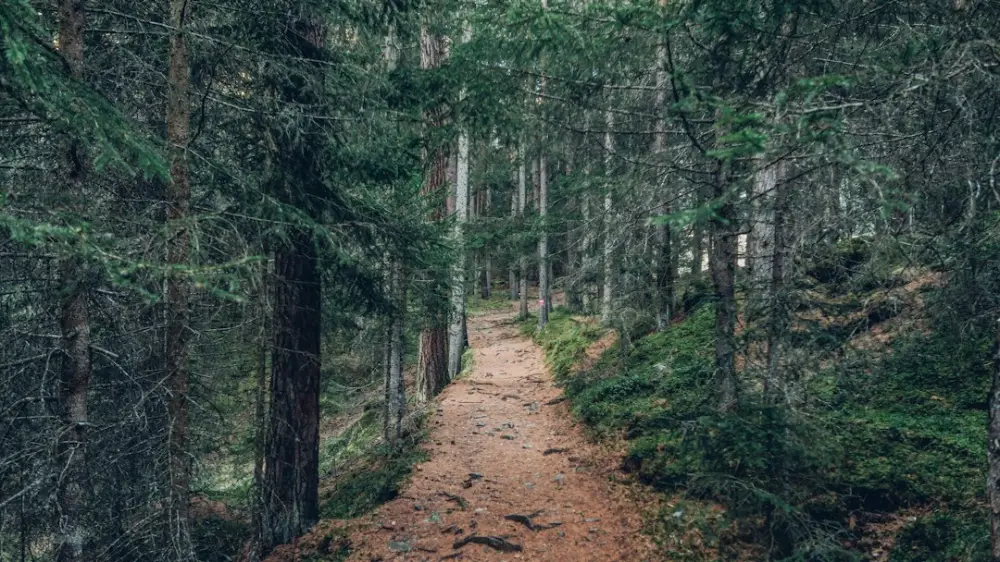
Regional nature trails are designated paths or networks maintained at a local or regional level, specifically designed to showcase the biodiversity, geography, and cultural heritage of a specific area. These trails often connect protected parks, forests, and rural communities, providing structured access for hiking, cycling, or wildlife observation while protecting delicate ecosystems.
In 2026, travelers want low-impact routes without landmark crowds. Regional paths are the practical way to explore French scenery on foot without heavy infrastructure, often including scenic stays and nature escapes.
1. The Ochre Path (Sentier des Ocres)
Located in the village of Roussillon, this trail leads through former ochre quarries. The vibrant orange and red cliffs provide a stark contrast to the surrounding green pine forests. It is a short, accessible loop that demonstrates how industrial history can transition into a protected natural site. The path is well-maintained with wooden steps and clear signage, making it ideal for families.
2. The Customs Path (GR34) in Brittany
The GR34 follows the entire coastline of Brittany. For a regional focus, the section around the Pink Granite Coast offers some of the most unique geological formations in Europe. These paths offer the perfect mix of relaxation, hiking, and unforgettable outdoor experiences. The trail was originally used by customs officers to patrol for smugglers, and today it provides unobstructed views of the Atlantic.
3. The Stevenson Trail (GR70)
Crossing the Cévennes, this trail follows the route taken by author Robert Louis Stevenson in 1878. It winds through the Cévennes National Park, a UNESCO World Heritage site. The trail is characterized by its rugged terrain, volcanic peaks, and deep valleys. It remains a favorite for those interested in slow travel, often involving pack donkeys just as Stevenson did over a century ago.
4. The Verdon Gorge Rim Trails
The Sentier Martel is the most famous route within the Verdon Gorge, but the regional rim trails offer a different perspective. These paths look down into the deepest canyon in Europe. You will encounter limestone cliffs that drop 700 meters to the turquoise river below. In 2026, these trails remain a top destination for spotting griffon vultures, which have been successfully reintroduced to the area.
5. The Wine Route Trails of Alsace
These trails combine nature with viticulture. Walking between villages like Riquewihr and Kaysersberg, the paths move through terraced vineyards and dense Vosges forests. It is a practical way to see the transition between agricultural land and wild woodland. The trails are generally moderate in difficulty and provide numerous opportunities to observe how local communities manage the land-use balance.
6. The Dune du Pilat Ridge Path
On the Atlantic coast near Arcachon, the path along the crest of the highest sand dune in Europe offers a unique coastal ecosystem. To the west is the ocean, and to the east is the vast Landes de Gascogne forest. This regional trail is a lesson in coastal dynamics and forest management, as the dune slowly moves inland each year, covering the pine trees.
7. The Mercantour Valley Loops
In the southern Alps, the Mercantour National Park offers regional loops that reach high altitudes without requiring technical climbing. The Vallée des Merveilles is a highlight, containing thousands of prehistoric rock engravings. The trails here are stony and alpine, requiring sturdy boots, but they reward hikers with sightings of chamois, ibex, and occasionally wolves in the distance.
When exploring these regional paths, preparation is more than just packing water. Always check the local Météo-France reports for the specific department you are in, as weather in the mountains or along the coast can shift in minutes. Carry a physical map or a downloaded offline version, as cellular service is often non-existent in deep valleys or thick forests. Respecting the "Leave No Trace" principles ensures these trails remain viable for the next season of travelers.
First steps for regional trail day hikes
Plan your first outing on a marked regional path with this checklist.
- Start by picking a PR or local loop that matches your fitness and daylight window.
- First step: download IGN or FFRandonnée PDF maps for the department you will hike.
- To begin packing, carry two litres of water, rain shell, and a headlamp even for short loops.
- Follow these steps on trail: check red-white or yellow-red blazes at every junction.
- Before you leave the car park, note Météo-France alerts and tell someone your planned return time.
Choosing a base for these adventures allows for a deeper connection with the environment. At Camping Romarins, the focus is on providing a gateway to these regional nature trails. Whether you are returning from a day on the GR34 or a short walk through a local pine forest, the experience is centered on the simplicity of outdoor living and the restorative power of the French countryside.