
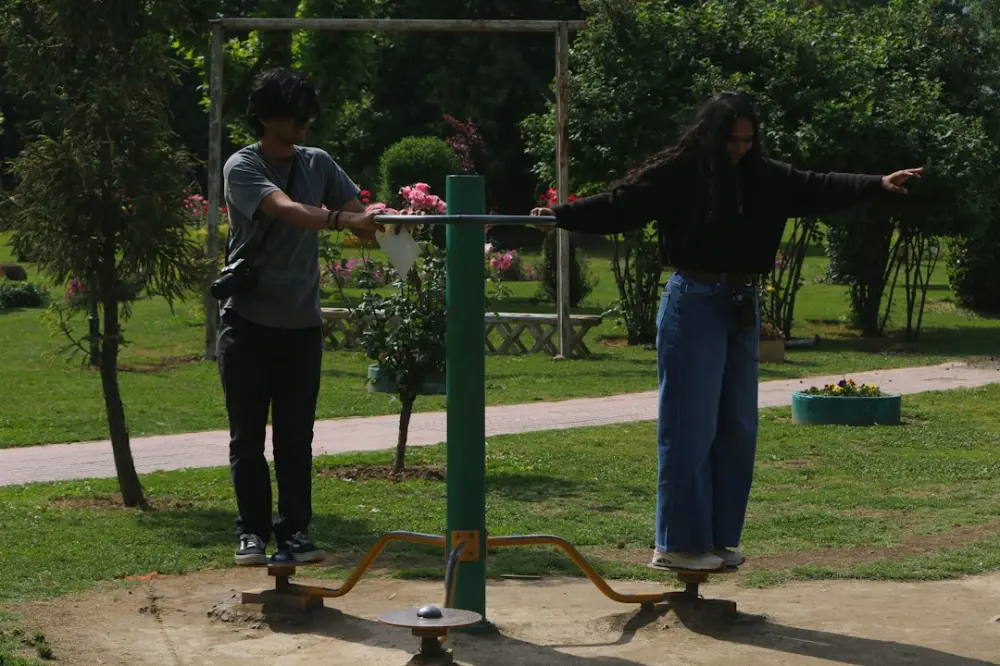
Balancing outdoor activity and rest involves strategically alternating physical exertion with recovery periods to maintain energy and prevent injury during camping trips. It works by scheduling high-intensity tasks, like hiking, alongside restorative periods of low-impact relaxation. This balance ensures campers enjoy nature without overextending their physical limits or compromising safety in the wilderness.
On the trail, balance means planning one active block and one recovery block each day so energy lasts through the trip.
In the context of nature stays, rest is not merely the absence of movement; it is a functional component of the experience. For instance, after a morning spent navigating the limestone ridges of southern France, an afternoon spent reading under a canopy of pine trees provides the necessary metabolic reset. This approach prevents the common "vacation burnout" where travelers return home feeling more exhausted than when they left. It also fosters a deeper connection with the environment, as you spend time observing the subtle changes in light and sound that are often missed while on a strenuous move.
Effective balance also considers the logistics of the campsite. Managing a pitch, preparing meals over a portable stove, and maintaining gear are all physical activities that contribute to your daily energy expenditure. When these chores are added to a ten-mile hike, the cumulative load can lead to significant fatigue. Recognizing these hidden energy drains is the first step toward creating a sustainable pace that prioritizes long-term enjoyment over short-term milestones.
How to Pace Your Outdoor Adventures
Pacing is the practical application of energy management. It starts with an honest assessment of your current fitness level and the specific demands of your chosen environment. If you are planning scenic stays, outdoor adventures and nature escapes, consider the elevation gain of your routes. A five-kilometer walk on a flat coastal path is vastly different from a five-kilometer ascent in the foothills of the Alps. Use topographical maps or digital apps to gauge the intensity before you set out.
A reliable framework for pacing is the 60/40 rule: dedicate 60% of your daylight hours to active exploration and 40% to stillness or low-impact tasks. If you hike for four hours in the morning, ensure your afternoon includes at least two to three hours of stationary relaxation. This might involve birdwatching, journaling, or simply sitting by a stream. This ratio helps regulate cortisol levels and prevents the physical strain that leads to trips, falls, or muscle tears.
Nutrition and hydration are the silent partners of pacing. Dehydration is a primary cause of premature fatigue, making even a gentle stroll feel like a climb. Carry a minimum of two liters of water for any hike exceeding two hours, and supplement with electrolytes if the temperature exceeds 25°C. At the campsite, prioritize protein-rich meals in the evening to aid muscle repair. A simple meal of local lentils, cheese, and fresh bread provides a slow-release energy source that prepares your body for the next day's activities.
Equipment choice also plays a role in how much energy you expend. Heavy, ill-fitting boots or an overloaded rucksack increase the caloric cost of every step. Opt for lightweight, breathable gear and use trekking poles to distribute the weight across your upper body, reducing the impact on your knees and ankles. By minimizing unnecessary physical stress, you preserve your stamina for the actual enjoyment of the scenery.
Peak Performance Balance Therapy for Seniors
For older campers, maintaining balance is both a physical requirement and a safety necessity. As we age, our proprioception—the body's ability to sense its position in space—can diminish, making uneven forest floors or rocky paths more challenging. Specialized balance therapy can be a turning point for those who wish to continue enjoying the outdoors well into their 70s and 80s. This type of training focuses on strengthening the core, ankles, and calves while improving the vestibular system's response to movement.
One notable resource for this specialized preparation is Peak Performance in Winterville, NC, which offers balance therapy for seniors. Their programs emphasize functional movements that mimic real-world camping scenarios, such as stepping over obstacles or maintaining stability on a slope. While these clinics are based in the US, the principles they teach are universal. Campers can practice simple exercises at home before their trip, such as standing on one leg while brushing their teeth or performing heel-to-toe walks along a garden path. These small adjustments build the muscle memory needed to navigate a campsite safely at night.
Senior campers should also consider the "active rest" model. Instead of a full day of sitting, integrate gentle mobility work into your rest periods. Slow-motion Tai Chi or basic yoga stretches near your tent can keep joints lubricated without elevating the heart rate to strenuous levels. This prevents the stiffness that often sets in after a period of inactivity. Using a high-quality, insulated sleeping mat is also crucial for seniors, as it protects joints from the cold ground and ensures the deep REM sleep required for cognitive and physical recovery.
If you find that your balance is becoming an obstacle to your outdoor goals, consulting a physical therapist for a personalized assessment is a wise investment. They can identify specific weaknesses and provide a tailored exercise plan. This proactive approach ensures that your time in nature remains a source of joy rather than a source of anxiety about potential falls.
Tracking Health: When Was Your Appointment?
Before embarking on a camping trip in 2026, it is essential to have a clear understanding of your current health status. A common mistake is assuming that because you felt fit a year ago, you are ready for a strenuous trek today. Ask yourself: When was your last medical appointment? A routine check-up can identify underlying issues like iron deficiencies, cardiovascular irregularities, or blood pressure concerns that might be exacerbated by heat and physical exertion.
Using wearable technology is a practical way to monitor your health in real-time during your stay. Devices that track Heart Rate Variability (HRV) can provide a "readiness score" each morning. A low HRV score is often a sign that your body has not fully recovered from the previous day’s hike, suggesting that you should opt for a rest day or a very light walk instead of a major climb. Monitoring your resting heart rate can also alert you to early signs of heat exhaustion or overtraining.
Documentation is another useful tool. Keep a simple log of how you feel after different levels of activity. Note any persistent aches, your energy levels in the evening, and the quality of your sleep. This data is invaluable for fine-tuning your future itineraries. If you notice that you consistently feel depleted on day three of a trip, you can plan a mandatory "zero day" (a day with no significant mileage) to allow for full recuperation. This proactive tracking ensures that you stay within your physical "envelope" and avoid the need for medical intervention while in remote areas.
For those managing chronic conditions like diabetes or asthma, these check-ins are even more critical. Ensure your medication is stored at the correct temperature and that you have a clear plan for managing symptoms in the field. A quick pre-trip consultation with your doctor to discuss your specific camping plans can provide peace of mind and practical advice on managing your condition in a natural setting.
Leave a Comment and Join the Community
Finding the right rhythm for your outdoor stay is a personal journey that evolves with experience. Whether you are a seasoned trekker or a beginner looking for relaxation, hiking, and unforgettable outdoor moments, the key is to listen to what your body is telling you. There is no shame in cutting a hike short to enjoy a quiet afternoon by the tent; in fact, that is often where the most lasting memories are made. The goal is to return from the woods feeling rejuvenated, with a clear mind and a body that feels strong rather than broken.
We encourage you to share your own strategies for maintaining energy on the trail. Do you have a favorite recovery snack, or a specific stretching routine that keeps you moving? Perhaps you have discovered a particular region in France that offers the perfect mix of challenging trails and peaceful resting spots. Sharing these insights helps our community of nature lovers plan better, safer, and more fulfilling trips. Your experiences can provide the practical guidance a fellow camper needs to find their own perfect balance.
At Camping Romarins, we believe that the best camping experiences are those that respect the natural pace of the environment and the human body. By prioritizing rest as much as activity, you open yourself up to the full spectrum of what a nature stay can offer. We invite you to join the conversation below and let us know how you plan to balance your next adventure. Your input helps us continue to provide relevant, practical advice for everyone seeking a meaningful escape into the wild.