
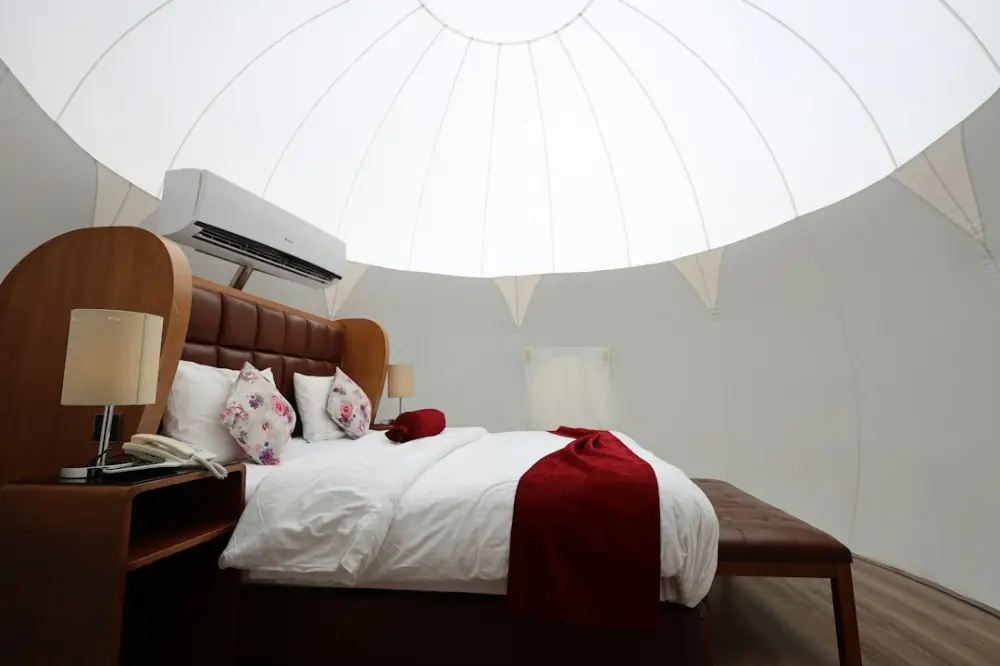
Comfortable nature accommodation refers to lodging situated in natural environments—such as forests, mountains, or coastal areas—that prioritizes environmental sustainability without sacrificing guest amenities. These "green" stays range from luxury glamping to eco-hotels, focusing on renewable energy, waste reduction, and local conservation while providing a restorative and high-quality guest experience in 2026.
Selecting the right stay involves looking for structures that blend into the geography rather than imposing upon it. Whether it is a canvas lodge or a timber-framed chalet, the goal is to maintain a direct connection to the outdoors while ensuring the physical requirements for rest and hygiene are met with modern efficiency.
Defining Modern Nature Stays
In practice, the nature accommodation selection process works through a clear workflow: teams start by mapping each step, then walk through how the system works when conditions change. Using this step-by-step process, you can see when to act, what happens before and after each decision, and how outcomes flow through the platform or program.
In 2026, the definition of a nature stay has evolved beyond the basic tent and sleeping bag. Today, it encompasses a variety of structures designed to offer protection from the elements while keeping the sensory experience of the outdoors intact. For example, many sites now offer safari-style tents built on raised wooden platforms. these structures provide real flooring and proper beds, eliminating the discomfort of uneven ground while allowing the sounds of the night forest to remain audible.
Another common format is the eco-pod or tiny house. These are often built using locally sourced larch or oak and feature large glass apertures. The intent is to create a "framed" view of the woods or mountains, making the environment the focal point of the room. By using high-quality insulation and natural ventilation, these accommodations stay cool in the summer and warm during the cooler French autumns without the need for heavy industrial HVAC systems.
Benefits of Eco-Conscious Lodging
Choosing a stay that prioritizes the environment offers more than just a lower carbon footprint; it often results in a higher quality of peace and privacy. Eco-conscious sites tend to limit their density to protect the local flora. This means more space between units compared to traditional high-density resorts. When you experience french camping with views, comfort, and a lower density of neighbors, the psychological benefits of the "silence" become a primary feature of the holiday.
There is also a tangible benefit to your health. Many sustainable accommodations avoid synthetic paints and plastics, opting instead for natural oils, waxes, and textiles like linen or organic cotton. This creates an indoor air quality that is far superior to standard hotel rooms. Furthermore, these sites often partner with local producers, meaning the food available on-site or nearby hasn't traveled thousands of miles, offering a fresher and more authentic taste of the region.
Features of Sustainable Stays
When evaluating a potential nature stay, look for specific infrastructure that proves a commitment to sustainability. A key feature is the management of water and energy. Look for sites that utilize solar thermal panels for hot water or rainwater harvesting systems for irrigation. In many parts of rural France, these small-scale systems are now the standard for high-quality independent sites.
Waste management is another indicator. A truly sustainable stay will have a robust composting system for organic waste and clear, accessible recycling stations. You might also find "dry" toilets in more remote eco-cabins, which, when designed correctly, are odorless and significantly reduce water consumption. For a broader understanding of how these systems integrate into global standards, you can research the Green Key International criteria, which many French sites strive to meet.
Balancing Immersion and Comfort
The challenge of a nature stay is often the trade-off between being "in the wild" and having a good night's sleep. To achieve this balance, modern accommodations focus on high-quality bedding and ergonomic furniture. A common example is the inclusion of orthopedic mattresses within a canvas tent. This ensures that after a day of physical activity, the body can recover fully, which is essential for balancing outdoor activity and rest for a successful holiday.
Kitchen facilities also play a role. While outdoor cooking is part of the charm, having a functional kitchenette with a gas hob and a small fridge allows for better meal planning and food safety. It moves the experience from "survival" to "living." Private sanitary facilities—even if they are housed in a separate, nearby timber structure—provide a level of dignity and convenience that makes nature stays accessible to those who might otherwise avoid traditional camping.
Tips for Low-Impact Travel
To ensure your presence has a minimal effect on the environment, consider your packing list and daily habits. Use biodegradable toiletries and sunscreens, as standard chemicals can be harmful to local water tables and aquatic life. Many nature-focused sites provide these as part of the stay, but it is always wise to bring your own eco-certified versions.
Transportation is another factor. Whenever possible, utilize the French rail network (SNCF) to reach the nearest town and then arrange for a local shuttle or bike hire. Once on-site, stick to marked trails to prevent soil erosion and avoid disturbing the local wildlife. Small actions, like using a reusable water bottle and avoiding single-use plastics, significantly reduce the waste burden on small rural communities that may not have the industrial capacity for large-scale trash processing.
How to verify certifications and book your nature stay
Use this workflow when you compare lodges or eco-pods.
Ask the host which certification body audited the property, then confirm the listing ID on the issuer’s public registry. Look for criteria covering energy source, wastewater, and trail access—not only marketing photos.
- How to verify: Request the certificate number and cross-check renewal dates.
- What certifications to look for: EU Ecolabel, Green Key, or regional park partnership badges tied to measurable limits on waste and water use.
- Start by filtering stays that publish energy and water policies in writing.
- First step: confirm rail or shuttle access (for example SNCF links) to cut car use.
- To begin packing, choose biodegradable toiletries and a refillable bottle.
- Follow these steps on arrival: stay on marked trails and ask staff about quiet hours.
- Leave a short review noting which sustainability claims matched your visit.
Planning Your Stay at Camping Romarins
Planning a nature escape requires a shift in mindset from consumption to appreciation. At Camping Romarins, the focus is on providing a base where the natural beauty of the French landscape is the main attraction, supported by practical, well-maintained facilities. By choosing a site that understands the local ecosystem, you ensure that your holiday contributes to the preservation of the area rather than its depletion.
Whether you are looking for a simple pitch or a more structured lodge, the principles of comfort and sustainability remain the same. Camping Romarins offers an environment where you can disconnect from digital noise and reconnect with the rhythm of the outdoors. As you look forward to your 2026 travels, prioritizing these thoughtful, nature-first accommodations will provide a more meaningful and restorative experience for everyone involved.